
Recorded · the word
I. The word
Psychē
Before she was a woman in a Latin tale, before a world between Mars and Jupiter took her name, psychē was a Greek word for breath.
The word itself
ψυχή
psychē: breath, life, soul. Later, also butterfly.
Greek before the novel
The word was modest first
In Homer the word is modest. Psychē leaves the body at the edge of death. It is not yet a character with a lamp. Other Greek words did the work we now pile onto soul: thymos, noos, menos. Plato and Aristotle stretch the word until it can think.
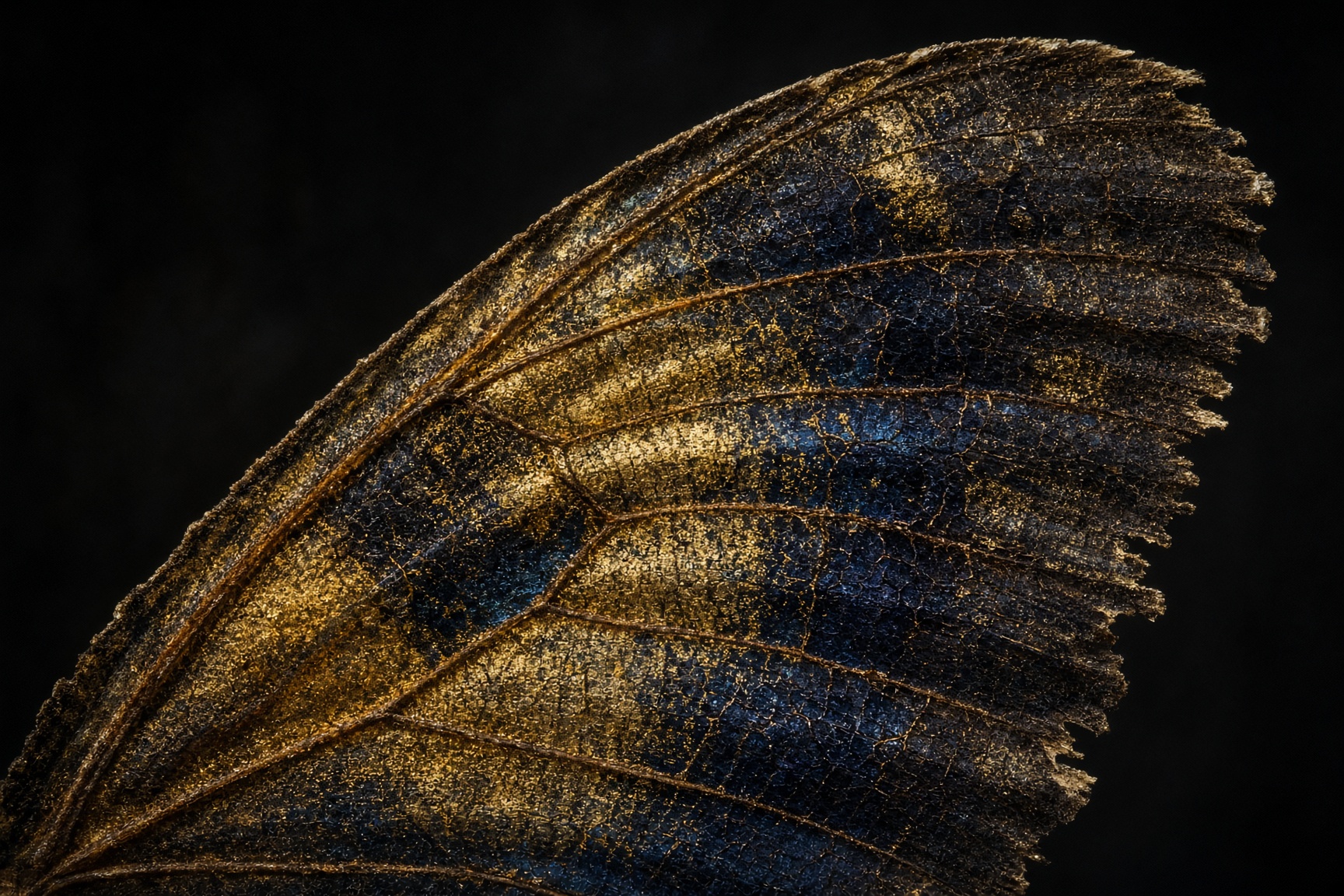
The butterfly belongs to the older Greek life of the word and to ancient visual traditions around Psyche. Apuleius, however, does not give his heroine butterfly wings in the telling.
Recorded · the tale
II. The story
Apuleius, source first
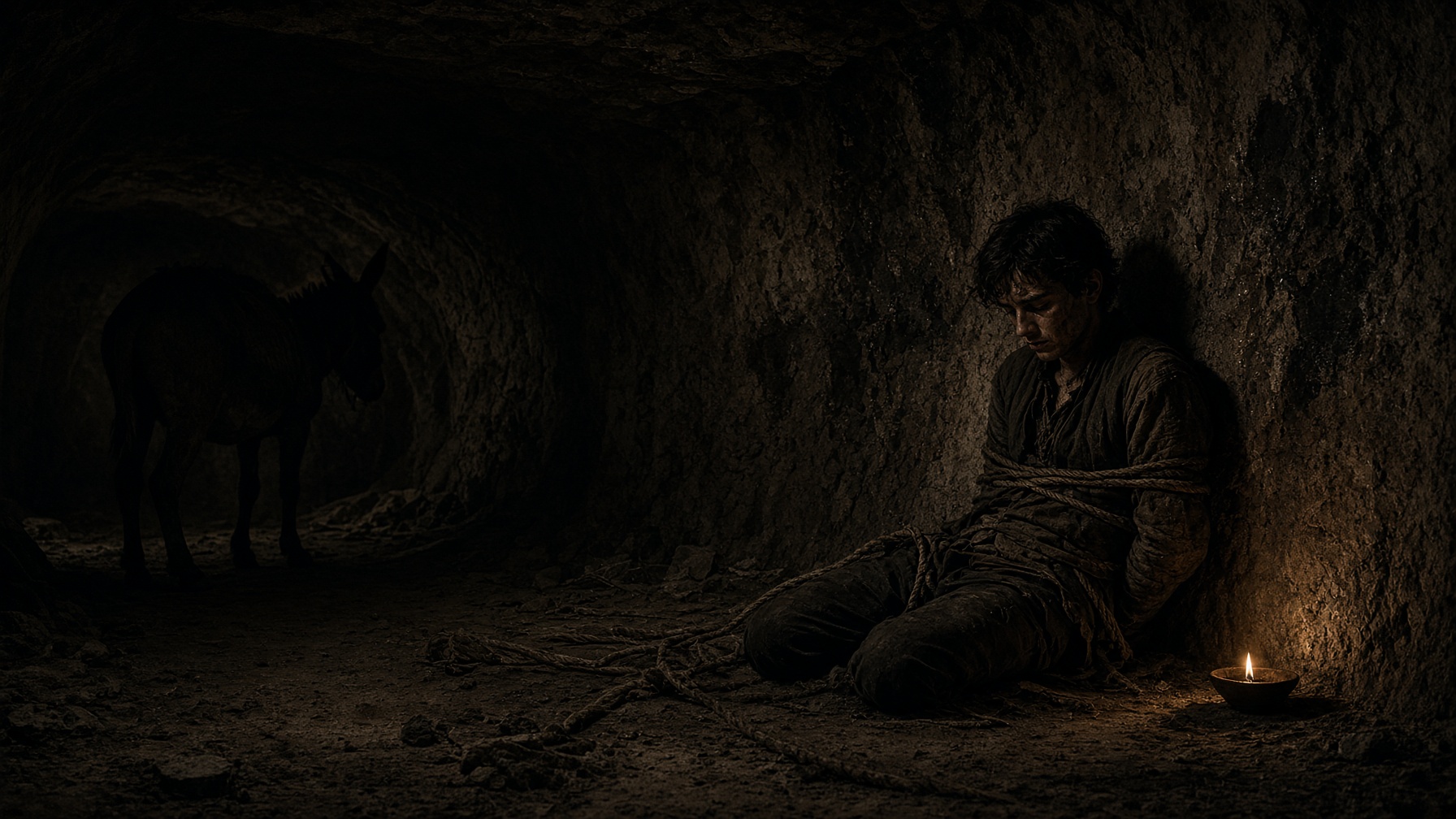
Not a Greek epic. Not a hymn. An inset in a Latin novel, spoken to a kidnapped bride, overheard by an ass.
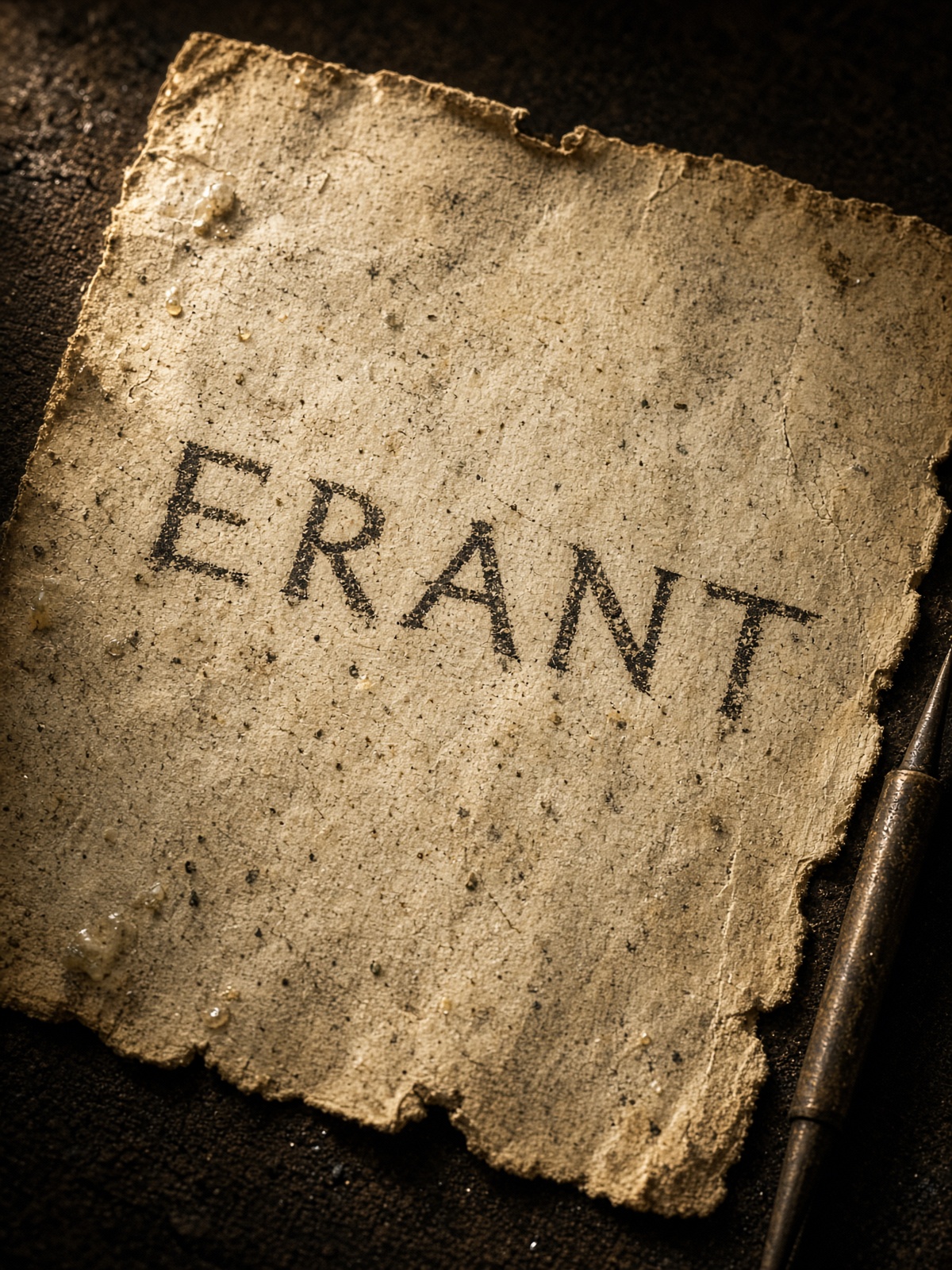
Open the source. 4.28Erant in quadam civitate rex et regina.
There were in a certain city a king and a queen.
Apuleius of Madauros
Madauros, Numidia. now M’Daourouch, Algeria
Second century CE
Metamorphoses 4.28–6.24
The only Latin novel that survives entire.
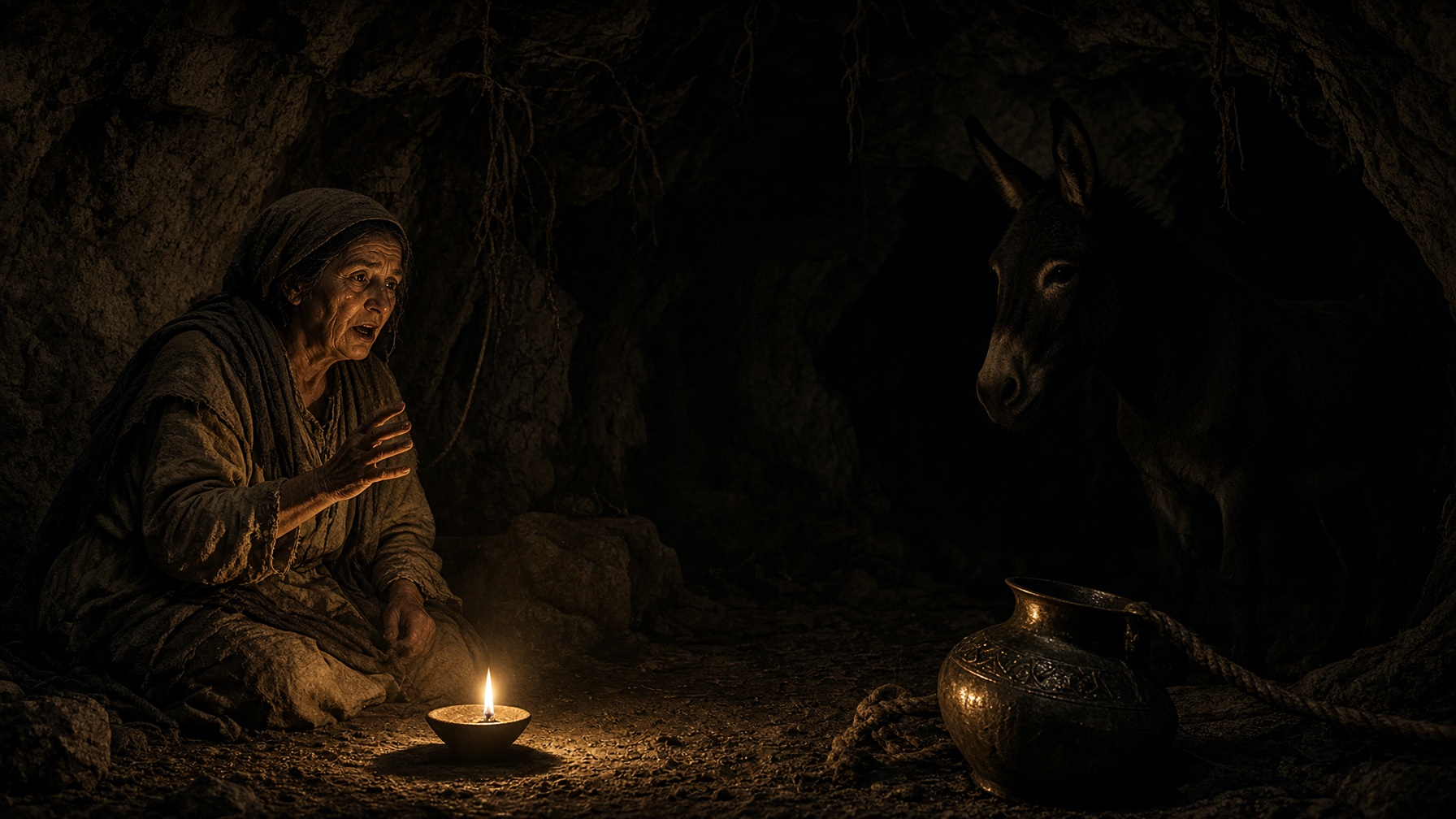
NarratorAn old woman (anicula) in a robbers’ cave, speaking to Charite, a bride taken on her wedding day.
Overheard byLucius, already an ass, who will later retell what he heard.
Interpretive plate of paper, ink, and lamp-light. Not a photograph of a surviving Apuleius autograph. None exists.
Recorded · the frame
Told to a captive
An old woman tells Cupid and Psyche to quiet Charite, a bride taken on her wedding day. Lucius, already an ass, overhears.
Recorded · Met. 4.28–35
A girl worshipped as if she were Venus
Three daughters, of whom the youngest, Psyche, is worshipped as if she were Venus, until the goddess’s temples go quiet. Venus sends her son to ruin the girl with a wretched love; he does not obey as ordered. An oracle, in Latin verse, sends Psyche to a mountain as if to a monstrous husband. The crowd leaves, and Zephyr carries her down.
Recorded · the tale
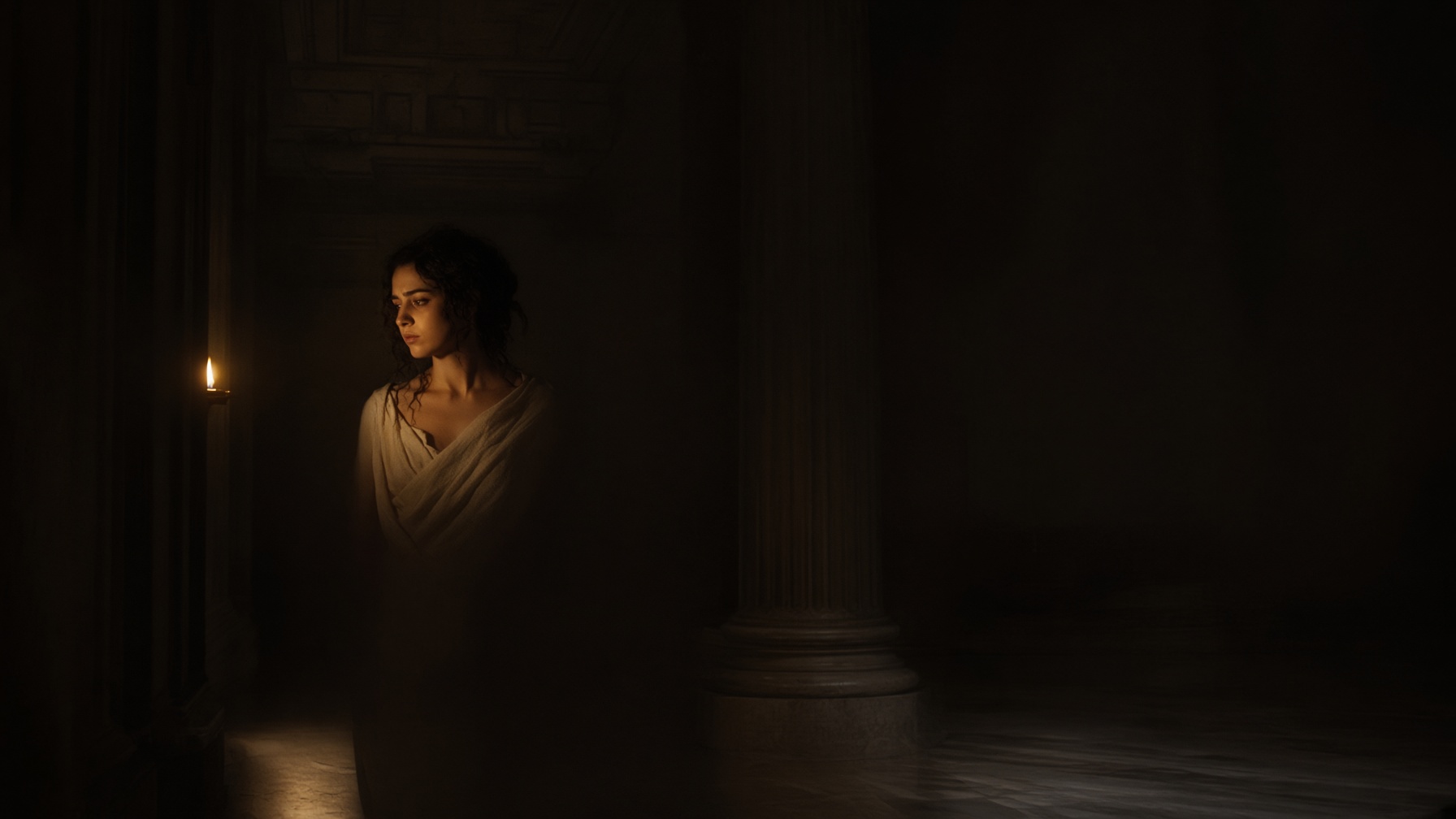
He is kind.He is unseen.
The prohibition is simple.
Do not look.
Apuleius, Metamorphoses. A husband who comes by night.
Donotlook
Recorded · Met. 5.7–21
Lamp and blade
The sisters put a lamp and a razor in her hand, having taught her to expect a serpent-husband. She comes armed.
Met. 5.7–21. novacula: a razor. She came armed for a monster.
Recorded · Met. 5.22
What the lamp shows
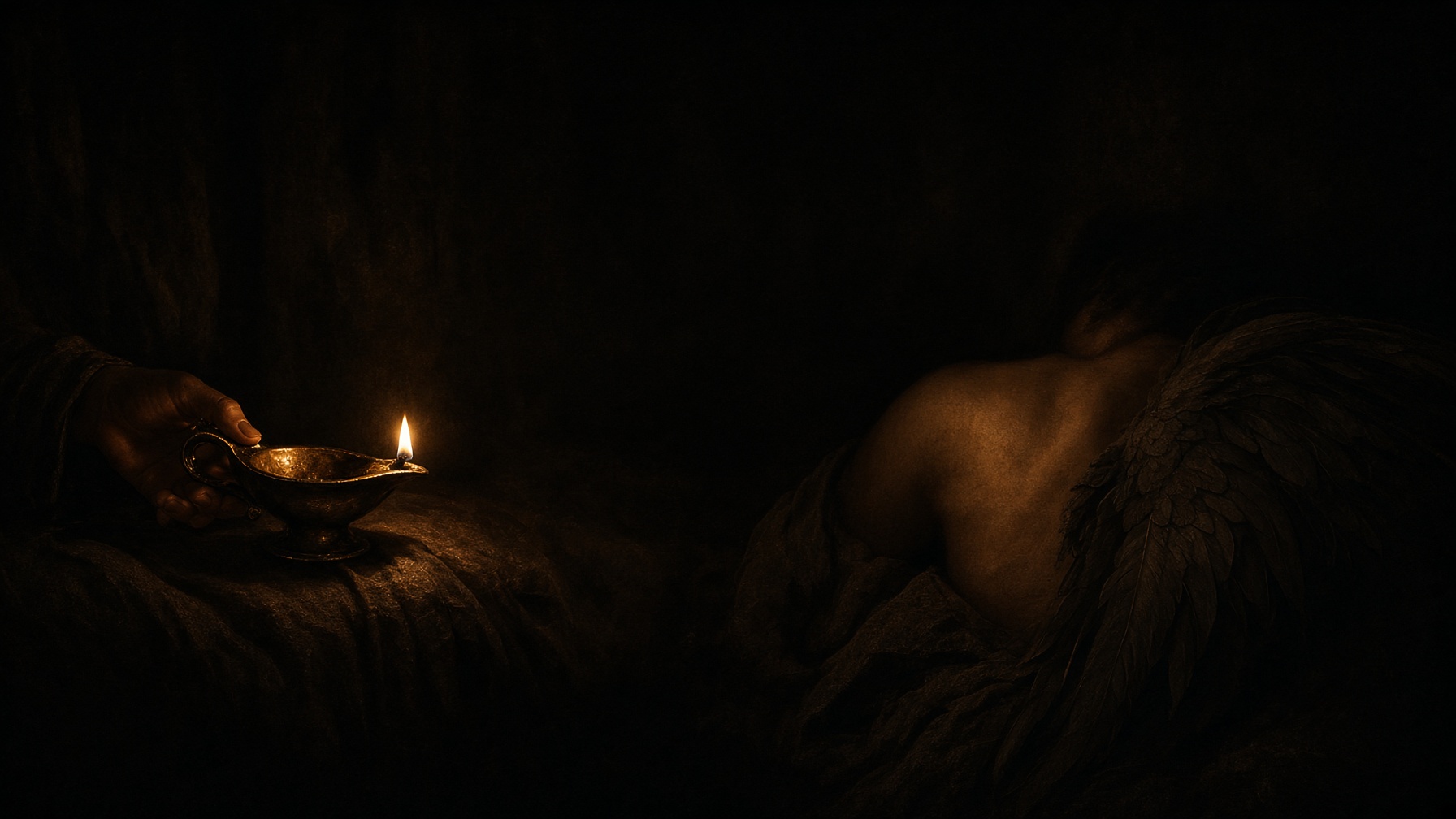
sed cum primum luminis oblatione tori secreta claruerunt, videt omnium ferarum mitissimam dulcissimamque bestiam, ipsum illum Cupidinem formonsum deum formonse cubantem, cuius aspectu lucernae quoque lumen hilaratum increbruit et acuminis sacrilegi novaculam paenitebat.
As soon as the offering of light made the secrets of the bed clear, she sees the mildest and sweetest beast of all: Cupid himself, the beautiful god lying beautifully. At that sight the lamp’s flame, gladdened, grew stronger, and the razor of the sacrilegious point felt regret.
Not a monster. She sees Cupid asleep, the beautiful god lying beautifully: hair, wings at rest, bow and quiver at the foot of the bed. The Latin gives the lamp and the razor almost a will: the flame brightens, and the blade regrets. Psyche sinks trembling, and the iron slips from her hands. The Latin does not say that she discovered a theory of love.
Met. 5.22. Latin first. Interior states the sentences do not give are not added here.

Seeing has a cost.
He wakes, burned. He flies.
The lamp spat from the top of its flame a drop of boiling oil onto the god’s right shoulder.
Met. 5.23. The drop is a plot event, not a symbol for the asteroid.
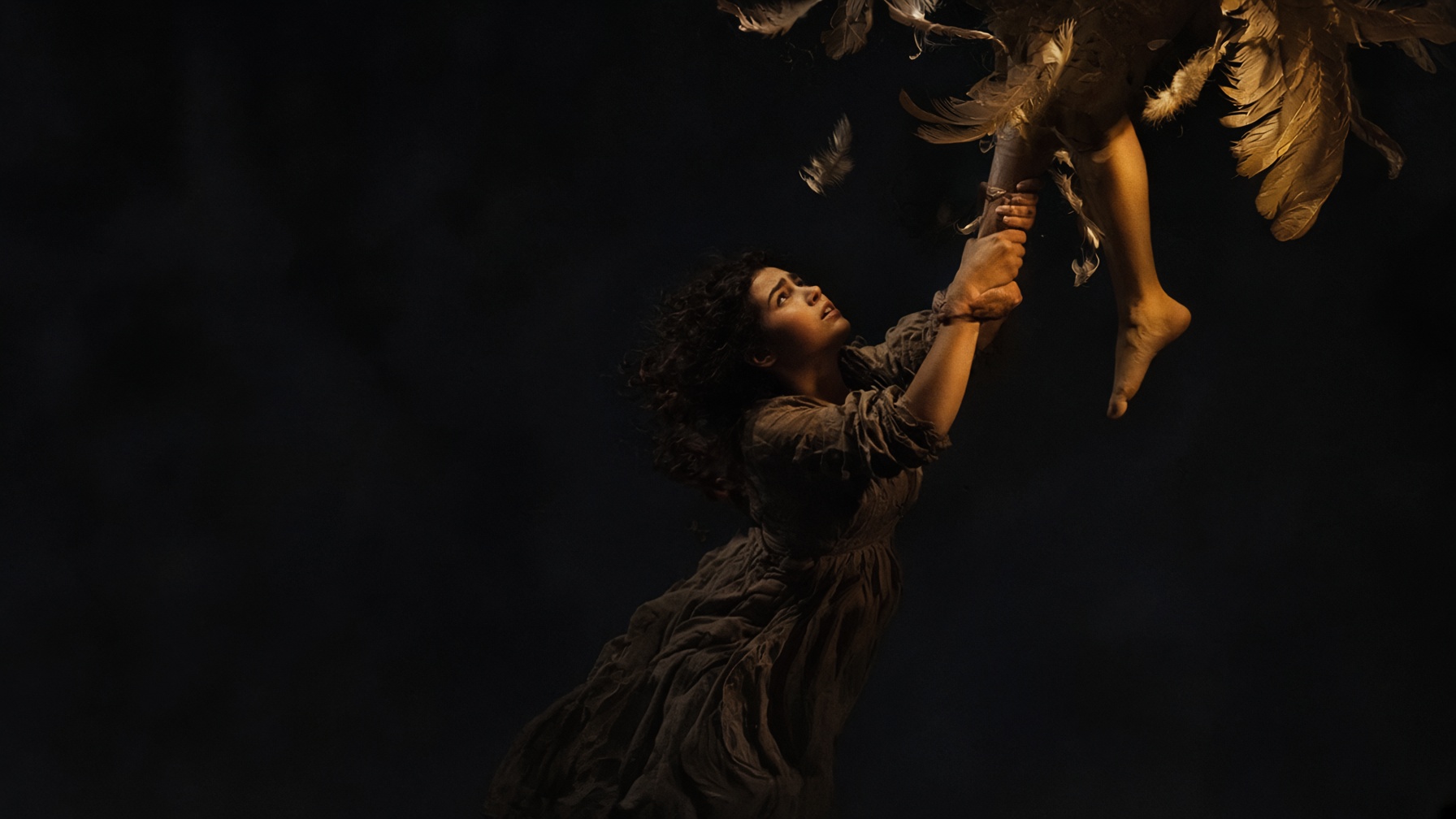
She clings. She falls.
A trailing appendage in the air, then the ground. The palace no longer holds her.

Recorded · Met. 5.24–6.5
She looks for him
From the cypress Cupid tells her why he is leaving: he had shot himself with his own arrow, and he will punish only by flight. Pan finds her by the water and tells her not to seek death, but to pray to Love. She goes from there to the temples of Ceres and Juno, asking for refuge, but neither goddess will shelter a runaway against Venus.
So Psyche keeps moving.
Recorded · Met. 6.10–15
Tasks no one could finish alone
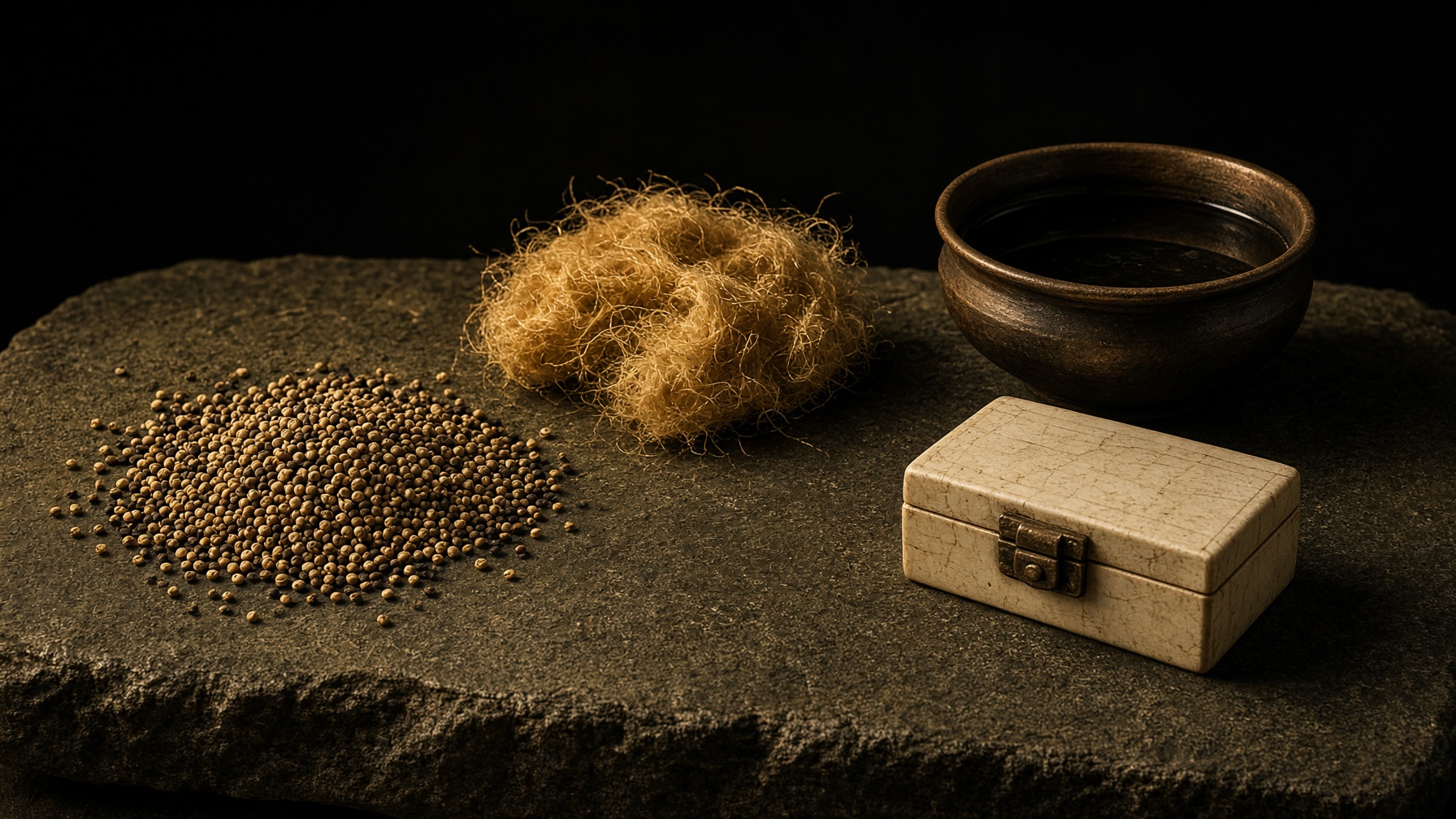
Venus sets work meant to break her: a heap of mixed grain to be sorted by evening. Psyche sits before it, dismayed, until ants take pity and sort what she cannot. Golden wool from sheep that would kill: she walks out meaning a cliff, and a reed, moved by a breeze, tells her to wait, then take tufts from bushes after the flock has gone. She gathers them. Water from a height that belongs to Styx: she climbs, and Jupiter’s eagle takes the jar, fills it, and brings it back.
She is the one under the order. The knowledge that keeps her alive arrives from outside her. Ants, a reed, an eagle remain what the tale says they are.
Recorded · Met. 6.16–21
A second time, do not open
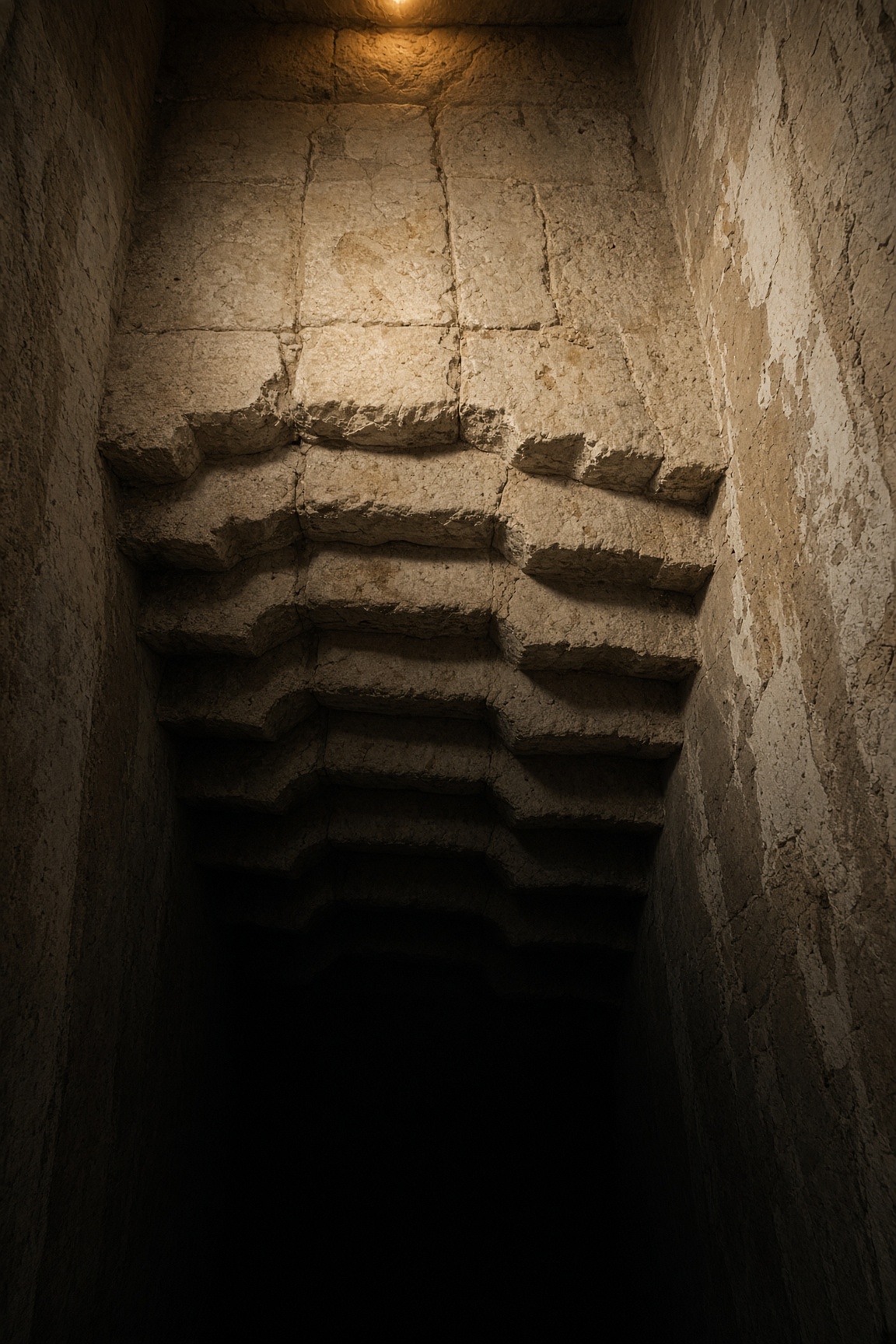
A tower speaks the road: coins for the ferryman, cakes for the dog, and a second command not to open the box. She walks it and does what she was told, until daylight. Then she opens Proserpina’s casket. There is no beauty in it. A Stygian sleep takes her.
Recorded · Met. 6.21–23
He wakes her
Cupid wipes the sleep away and rouses her with a touch of his arrow: the god who fled becomes the one who wakes. Jupiter consents in heaven, in public. Drink, he says, and be immortal, so the marriage can hold.

Recorded · Met. 6.24
Voluptas
Sic rite Psyche convenit in manum Cupidinis; et nascitur illis maturo partu filia, quam Voluptatem nominamus.
So Psyche is given in marriage to Cupid according to the rite, and in due time a daughter is born to them, whom we call Pleasure.
Recorded · Met. 6.25
The cave again
The old woman stops. Charite is still in the cave. Lucius is still an ass.
The Latin calls the teller raving and drunk: delira et temulenta. Lucius, standing not far off, is sorry he has no tablets and stylus for so fine a little story.
What can a story do for someone it cannot free?
Later the novel will give Charite another rescue, and then a death. Hearing heaven did not rewrite the rope.
Interpreted · after she looks
Cost, and a road the unseen palace could not contain
Seeing costs. It also begins a sequence that the unseen palace could not contain. That second sentence describes plot, not Apuleius’s stated philosophy. Darkness is not declared bad, nor light good.
Recorded · the larger novel
The Golden Ass
Eleven books. The Psyche tale sits in the middle. It does not end the novel. Augustine later called it the Golden Ass. The Latin title in the manuscripts is Metamorphoses. Lucius, a young man curious about magic, tells what happened to him. At the end a priest’s vision names a man from Madauros. The author lets that identification stand. It is not a decoder ring for every joke. Thessaly first. Then a robbers’ cave. Later the harbor of Cenchreae, and Rome.
Curiosity
Thessaly. Magic as entertainment, then as a wound. Lucius wants to see. He is changed.
The wrong roses
Lucius sees crimson and thinks restoration is a mouthful away. They are oleander. He is still an ass. The Psyche tale has not begun.
The inset
A tale told to a captive bride, overheard by an ass. Love, a lamp, labours, a marriage in heaven. Then the cave again.
Still an ass
The Psyche story does not save him. The body remains the plot.
Isis
Night, sea, a goddess who answers. Roses restore the body. Devotion and initiation follow. The novel closes in a cult, not in a drop of oil.
Recorded · Met. 4.2
The wrong roses
Lucius, already an ass, sees crimson and thinks a mouthful will make him a man. They are not roses. They are rose-laurels, oleander, poison to a grazing beast. Country people may call them roses. They would not have restored him. He is still an ass. The girl with the lamp has not yet entered the book.
The Psyche tale begins later in the same book, at 4.28. Restoration by true roses waits until Book 11. Met. 4.2 is the frame, not the inset.

Recorded · the close
Isis
Recorded · Latin
The close of the novel
Met. XI · Isis
The goddess who receives Lucius at the end of the larger novel. Through Isis’s procession he receives the roses that restore his human form; what follows is devotion, discipline, and initiation. Psyche’s tale and Lucius’s Isis ending are not the same story, but they live inside the same book.
Measured · later
A named arithmetic
CIPHER · 420
Much later, the name ISIS also returns 420 under a named cipher. The calculation belongs to the modern archive, not to Apuleius or ancient Egypt. The arithmetic is ancient in method; no claim is made that Apuleius, an Isis cult, or an Egyptian tradition assigned significance to this total.
The ancient text came first. The number was noticed afterward.
Calculated · Greek isopsephy
Ἶσις
Ι 10 · Σ 200 · Ι 10 · Σ 200
420
Hellenistic Greek writes Ἶσις. Milesian isopsephy gives the letters numbers. The sum is 420. CIPHER holds that arithmetic. A spelling became a number. The arithmetic is ancient in method; no claim is made that Apuleius, an Isis cult, or an Egyptian tradition assigned significance to this total.
Recorded · Egyptian
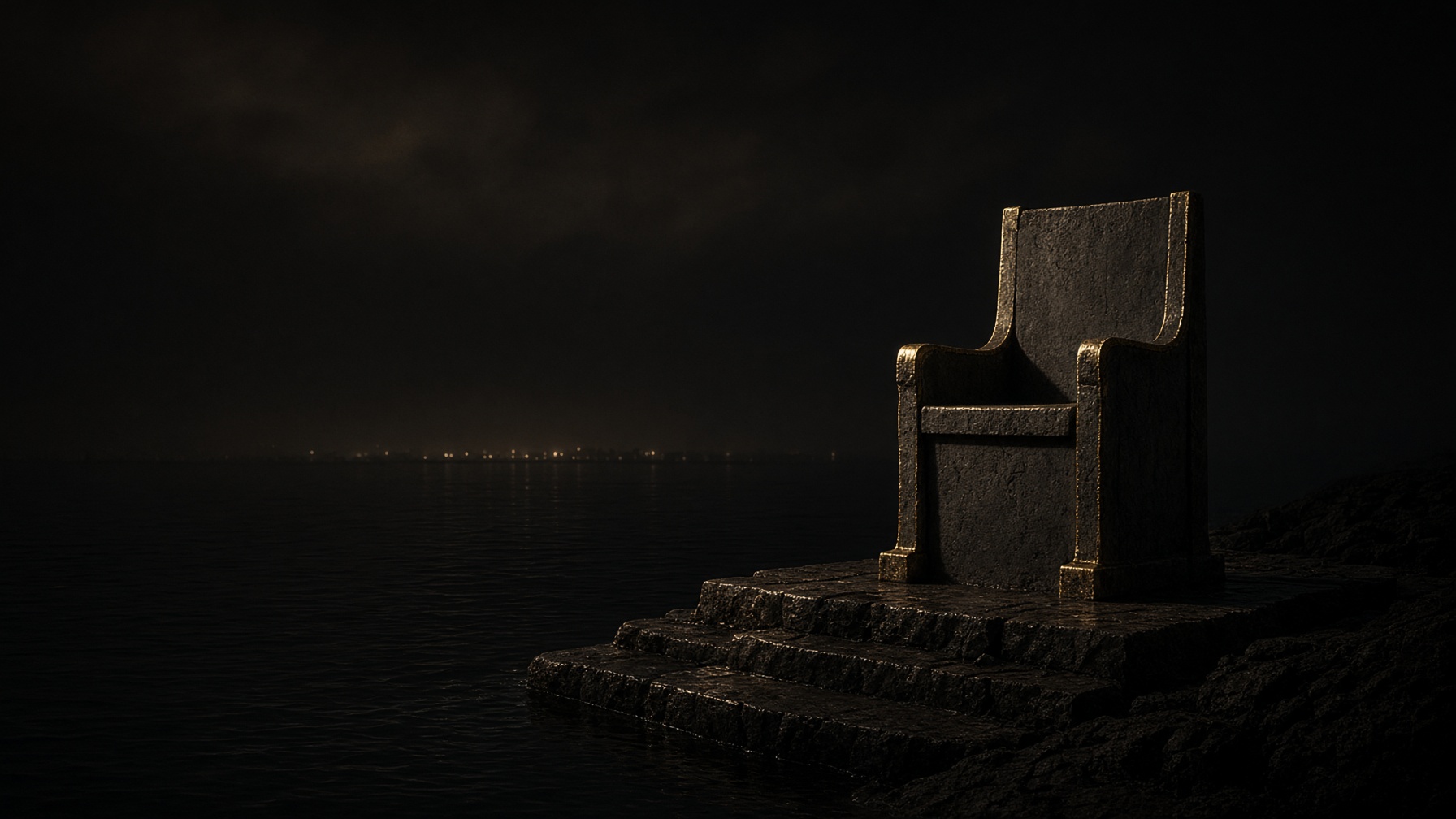
Aset · Iset · the throne sign
ꜣst
Her Egyptian name is written with the throne sign, the same emblem she bears on her head. The traditional reading connects her name with the seat or throne, although the exact etymology is debated. English often writes Aset or Iset.
Sister and wife of Osiris, mother of Horus. She searches in the night, gathers what was scattered, and makes a body whole enough for a child to be king.
This lore is older than the Latin novel. It is not a source for the lamp, and it is not the cipher.
Whole novel, Latin: The Latin Library, Metamorphoses. Transformation: Book 3.
Museum object
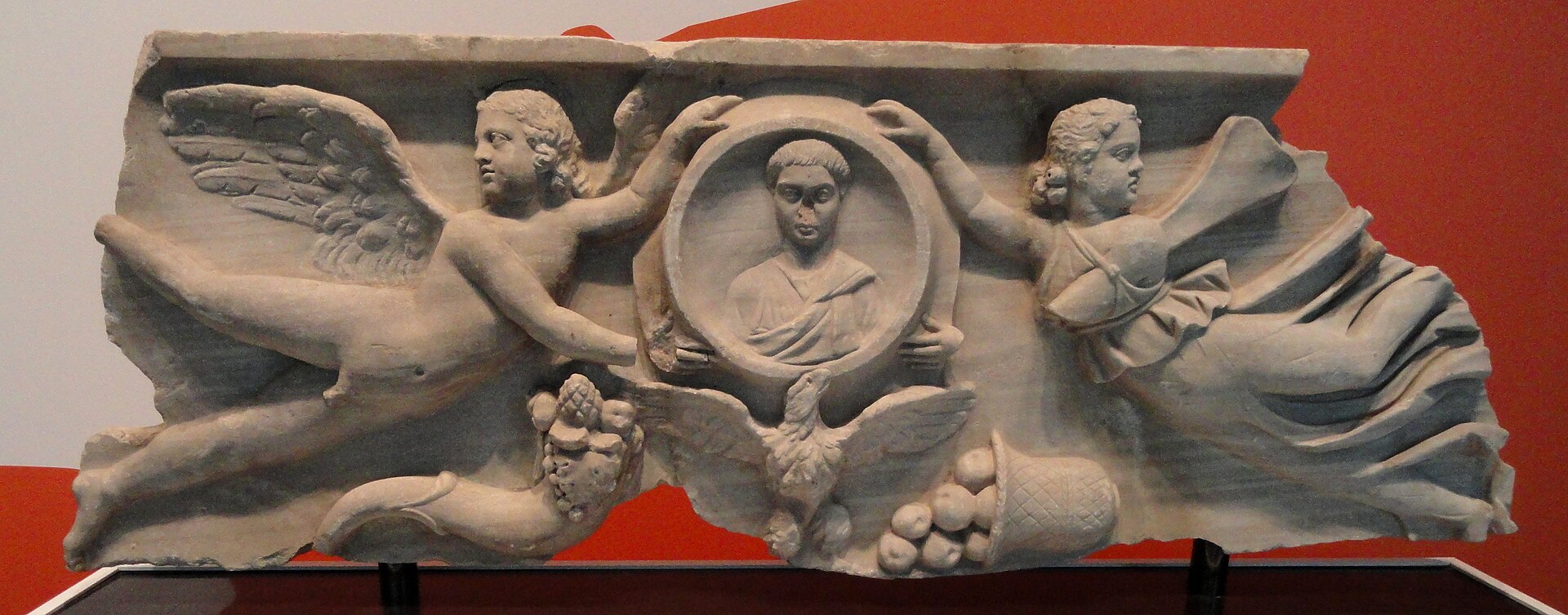
Cupid and Psyche, sarcophagus panel
A funerary object, not an illustration of Apuleius. Butterfly wings already mean Psyche here: love pictured against death. Reception is older than Canova and younger than Homer.
- Maker
- Roman workshop
- Date
- Early fourth century CE
- Material
- Marble
- Collection
- Indianapolis Museum of Art
Museum object
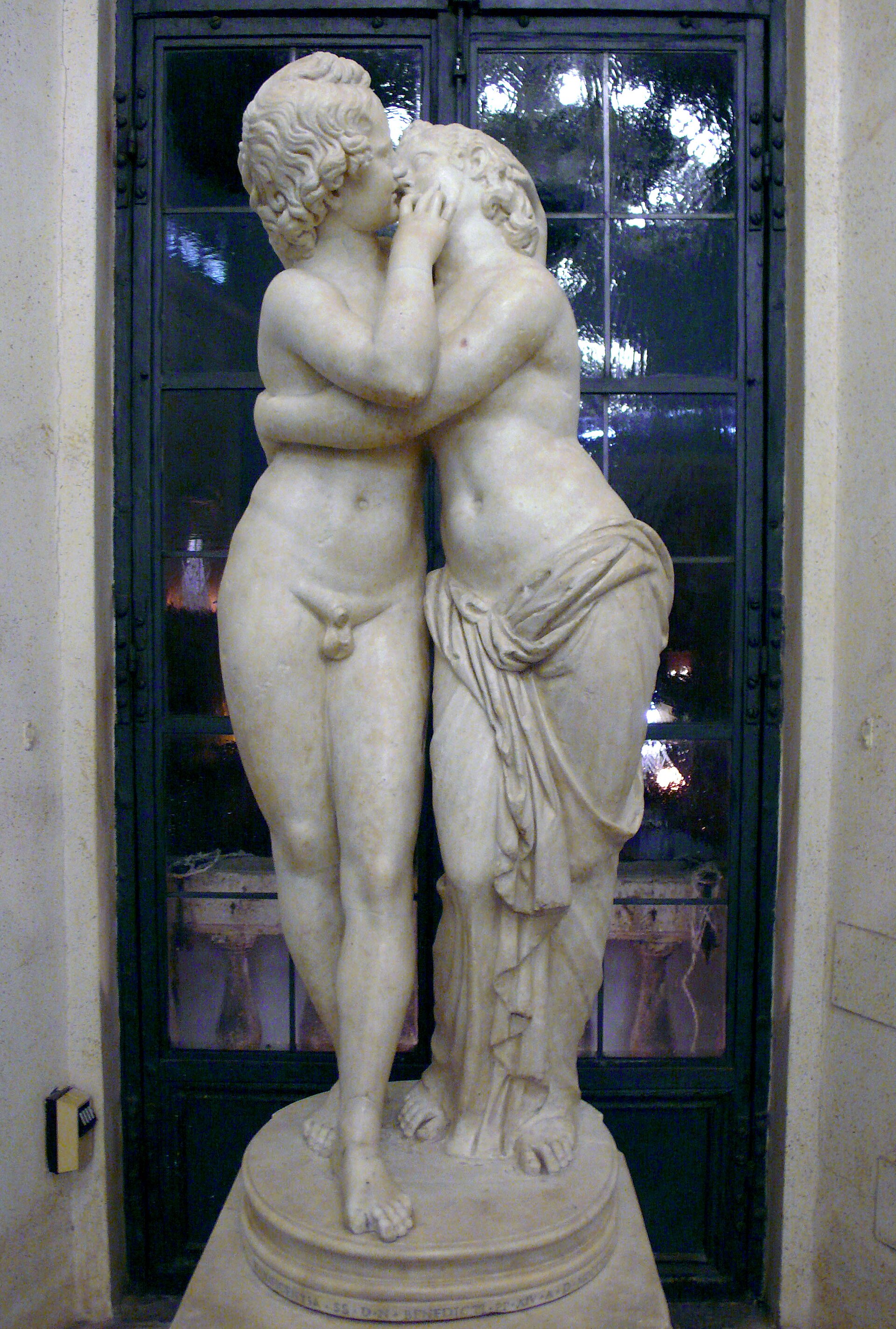
Cupid and Psyche
The pair as bodies, not as Apuleius’s plot. The marble the reader sees is Roman, about 130–160 CE, after a Hellenistic type. Wings, embrace, mortal and god.
- Maker
- Roman copy after a Hellenistic Greek model
- Date
- c. 130–160 CE
- Material
- Marble
- Collection
- Capitoline Museums, Rome. From the Aventine.
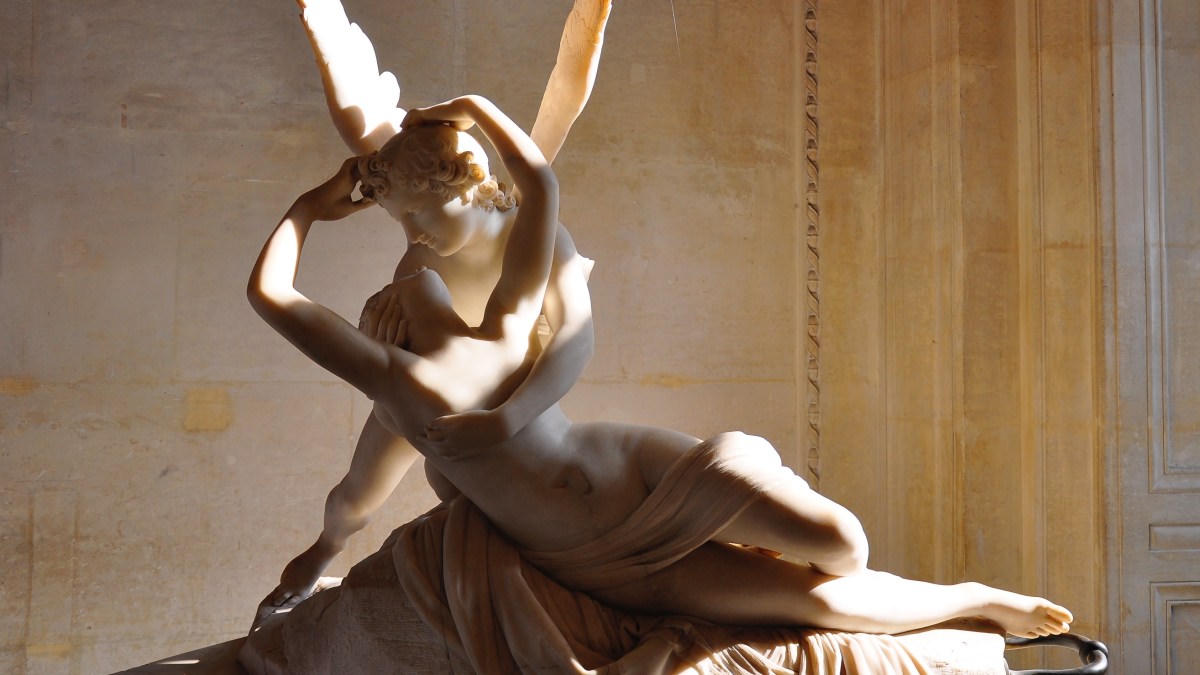
Museum object
Psyche Revived by Cupid's Kiss
Later art, not Apuleius’s century. Canova gives the awakening a body the Latin never describes this way. Reception is not origin.
- Maker
- Antonio Canova
- Date
- 1787 to 1793
- Material
- Marble
- Collection
- Musée du Louvre, Paris
Entertainment
The Groningen commentary (2004) refuses to reduce the tale to Freud or Jung. Irony, humour, literary play, voluptas: a story told to soothe a captive, overheard by an ass. That frame is not optional.
Platonism
Names do the allegorical work almost by themselves: Psyche, Cupido/Amor, Venus. Apuleius was a Platonist. Readers from late antiquity onward have heard the soul’s relation to Love. Hearing that pressure is allowed. Declaring that Apuleius wrote a treatise in costume is not required.
Curiosity
Lucius is ruined by curiositas. Psyche looks. Both pay. Whether her looking is only impiety, or also the way a soul comes to know, is an argument these pages can hold open.
Folktale
Forbidden husband, jealous sisters, tasks, descent, lost bridegroom: the tale belongs to a pattern later compared with ATU 425 traditions. How much Apuleius inherited from earlier literary, visual, or oral material remains debated. Pattern is not provenance.